
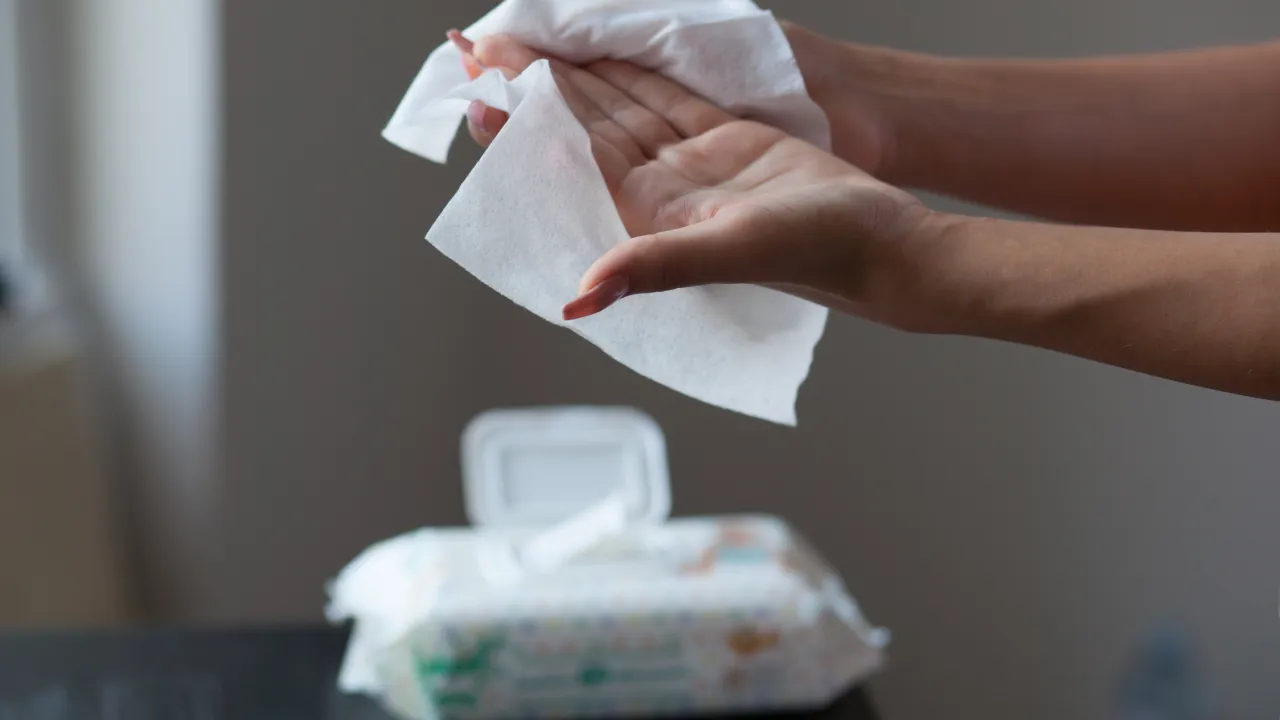
Recently, Southern Water called for customers to avoid flushing wet wipes down the toilet after estimating that it removed 4,500 tonnes from its sewer network annually.* That's the equivalent of around 900 million wipes being flushed every year.
In May 2027, a ban on wet wipes containing plastic will come into place in England.** This ban highlights the importance of water hygiene and how we can reduce pollution through understanding what can and can’t be flushed down our toilets or poured down our sinks.
What is water hygiene?
Water hygiene is often associated with drinking water quality, but it also extends to how we use and dispose of products that can affect our drainage systems, sewers and the environment. Everyday, items are put down toilets, sinks and drains that can have consequences contributing to blockages, pollution and avoidable maintenance costs.
Why does water hygiene matter?
Poor water hygiene can lead to:
- blocked drains and sewer systems
- increased maintenance and repair costs
- pollution incidents affecting rivers and coastal waters, and
- greater pressure on water and waste water infrastructure.
Government guidance highlights that wipes are a significant contributor to sewer blockages when flushed, regardless of if they contain plastic or not.***
The ban on plastic wipes is aimed at reducing plastic pollution and protecting our waterways. However, we should also be cautious when using plastic-free alternatives and these should still be disposed of responsibly.
How your organisation can support better water hygiene
The upcoming wet wipe ban is a reminder that good water hygiene is about more than the products we use. Small changes in facilities, communications and everyday behaviours can help reduce the risk of blocked drains, sewer issues and environmental pollution.
- Provide clear signage. Organisations can use simple, visible messaging to remind people what can and can't be flushed or poured, and how to dispose of various items properly. Clear guidance helps reduce confusion and encourages correct disposal.
- Ensure suitable bins are available. Make it easy for colleagues, visitors and customers to dispose of wipes and other bathroom or kitchen waste responsibly by providing well-placed, clearly labelled bins.
- Promote responsible disposal habits. Raise awareness of the impact that flushing or pouring the wrong items can have on drainage systems, waterways and the environment. Regular reminders can help turn good practice into routine behaviour.
- Include water hygiene in sustainability communications. Water hygiene is an important part of environmental responsibility. Incorporating it into wider sustainability initiatives can help build awareness and support long-term behaviour change.
By making responsible disposal easier and keeping water hygiene on the agenda, organisations can play a key part in supporting healthier waste water systems and a cleaner environment.
Small actions, lasting impact
Small changes in behaviour and awareness can have a lasting impact on our waterways, helping to reduce pollution and support a more sustainable future.
Find more practical advice and resources to help your organisation improve water efficiency and environmental performance on our website.
Sources:
*Southern Water plea to avoid flushing wet wipes down the toilet - BBC News
** Plastic wet wipes ban - GOV.UK
*** New law bans plastic wet wipes to protect rivers and seas - GOV.UK